
Myths about Cat Allergies & How to Manage Them
In this post, I want to debunk a few common myths about cat allergies and share about how to manage them.
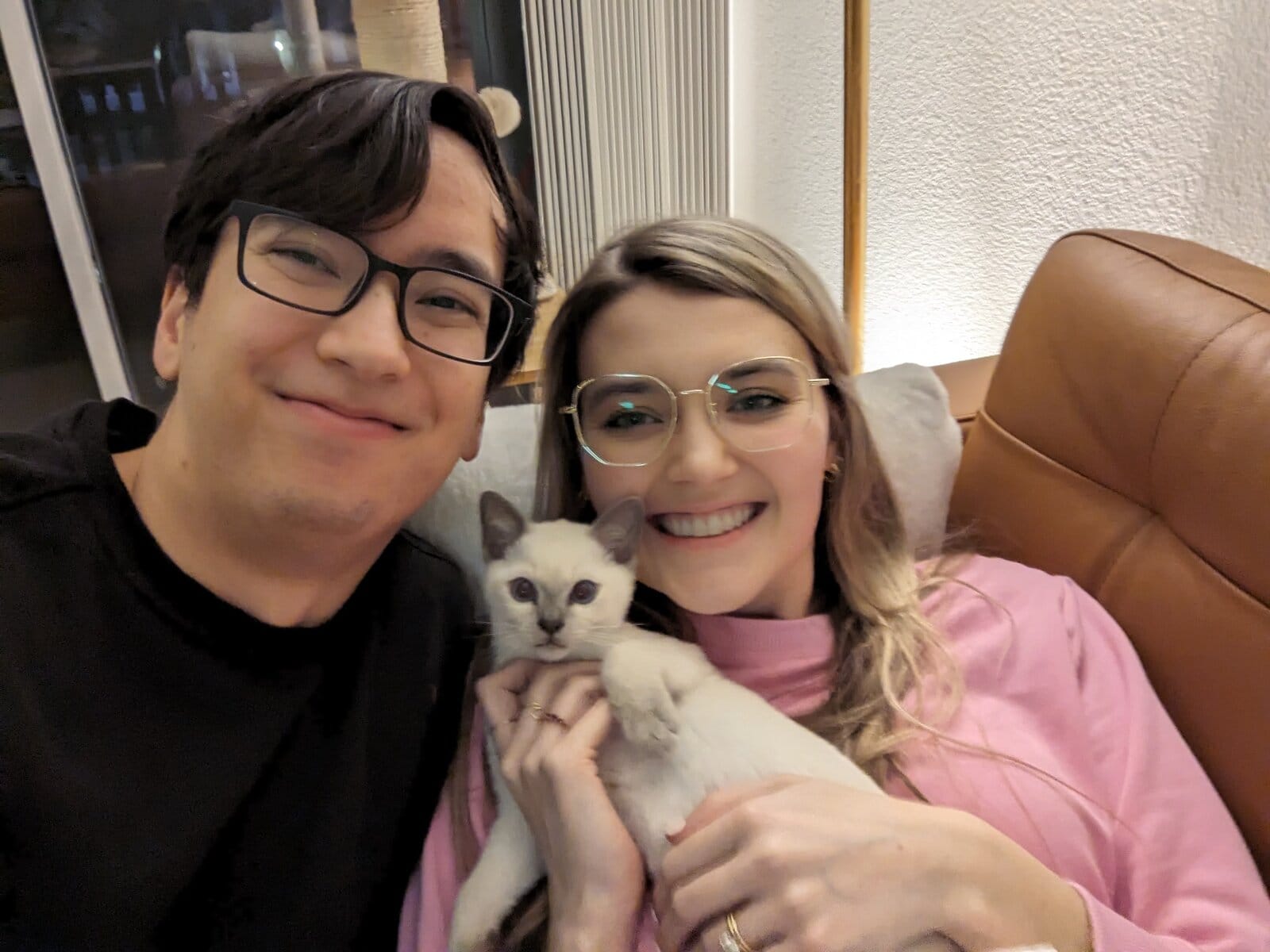
Wondering how I got here? My husband Spencer is amazing. His greatest flaw: he has cat allergies.
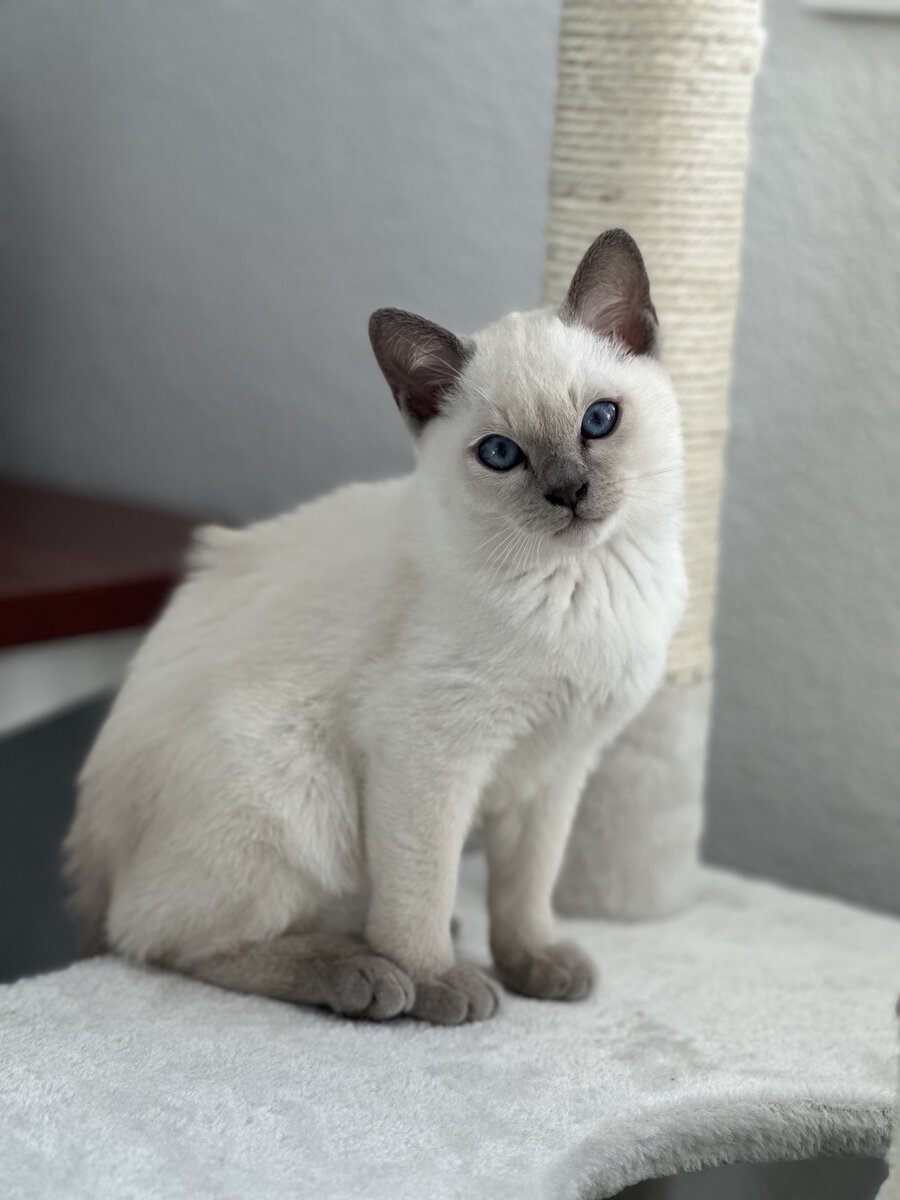
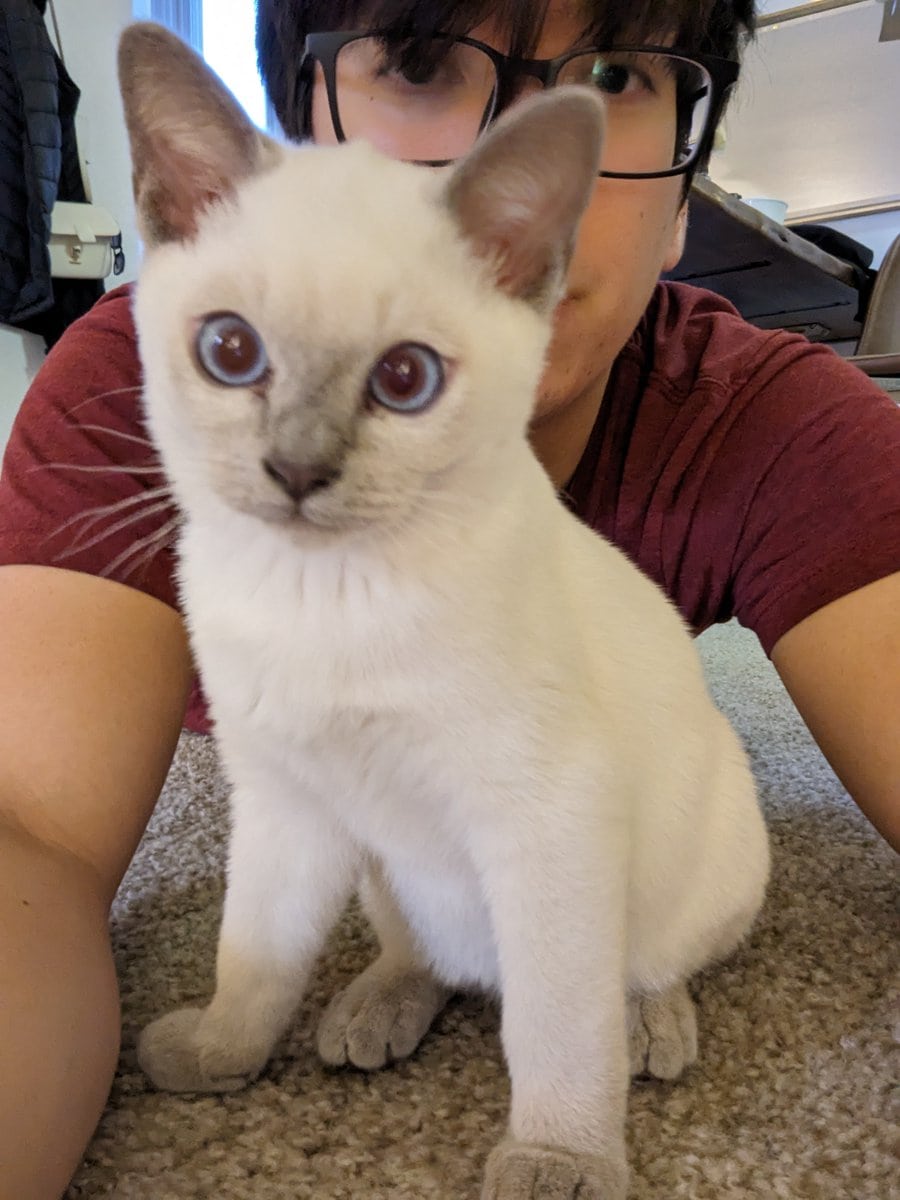
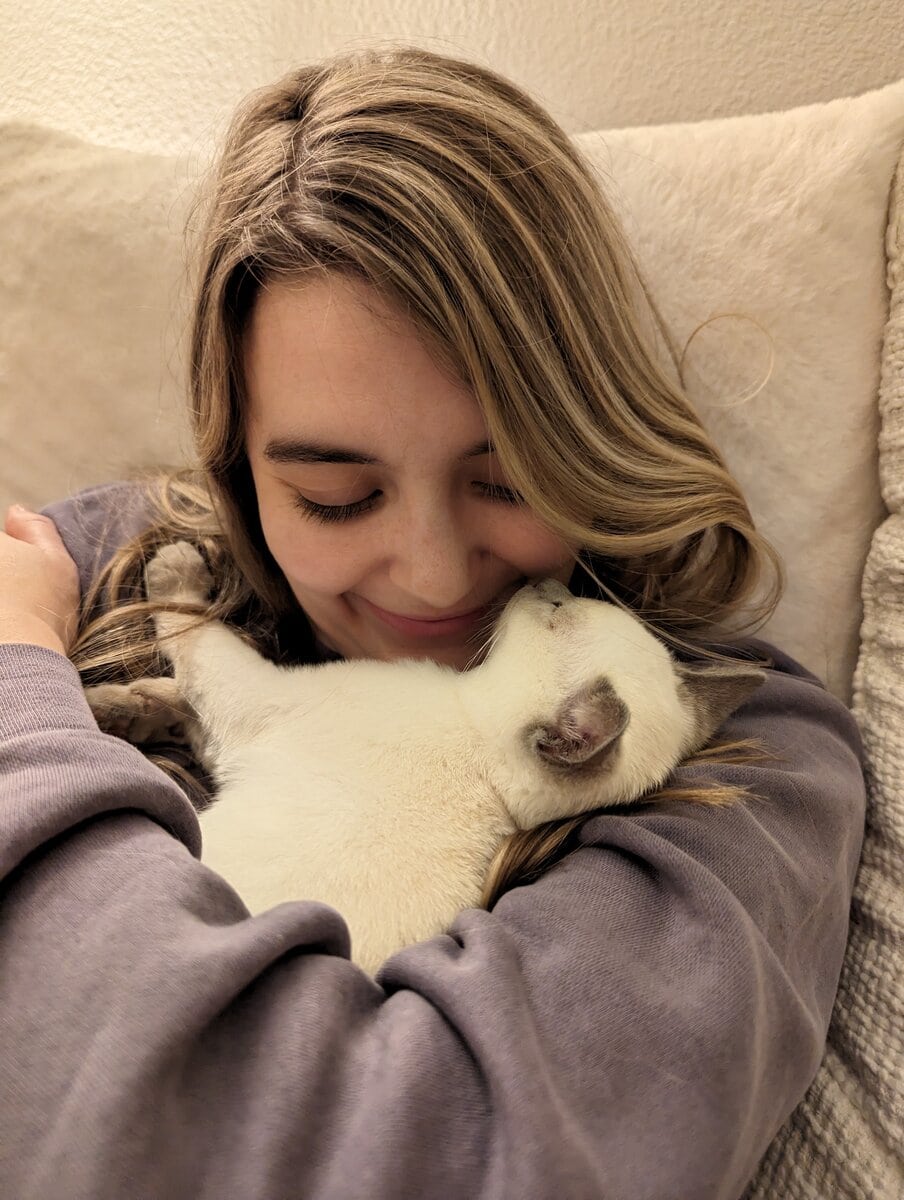
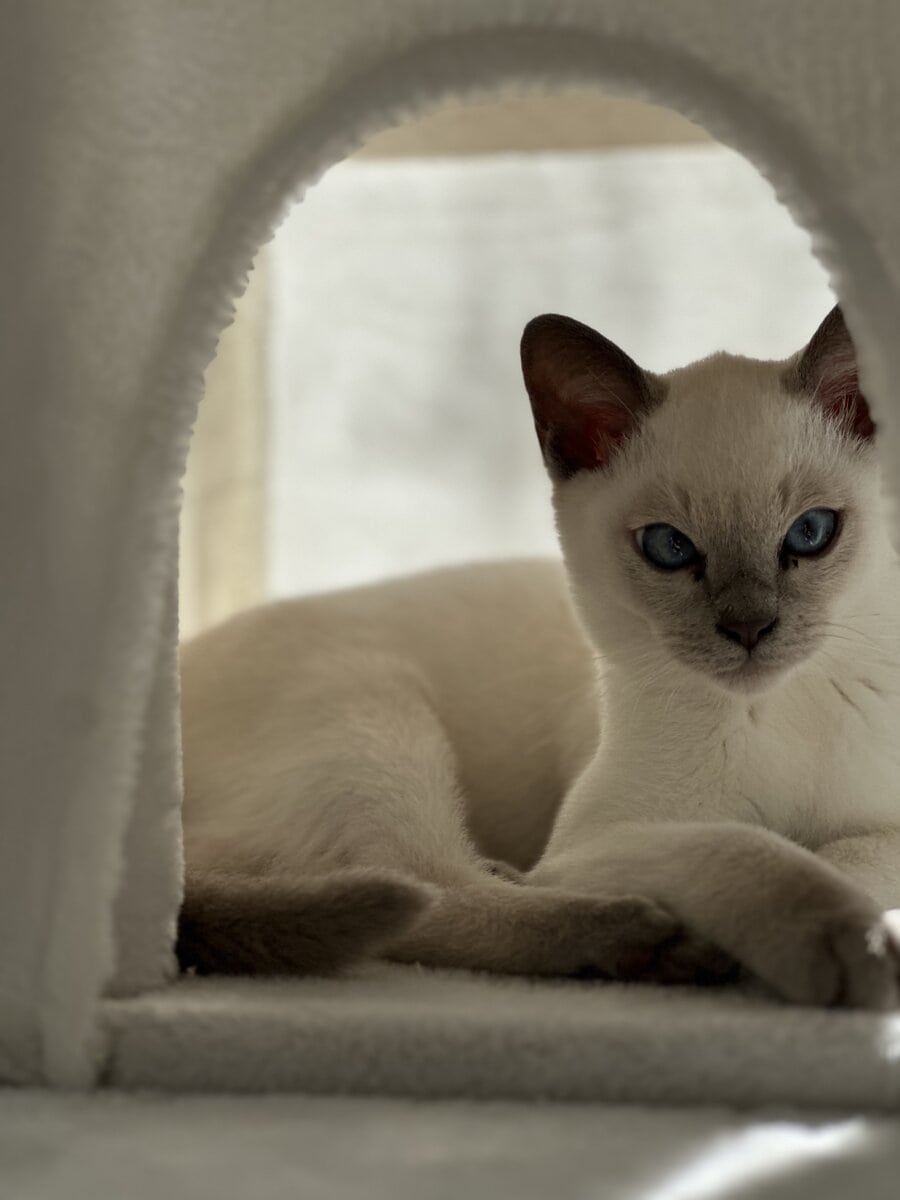
Given my love for cats, you might be surprised I would even consider dating someone with cat allergies! However, there was some deception involved, as Spencer intentionally withheld his allergies for some time (strategic move on his part). Once he did tell me, you can imagine my dismay. But since he is such a great guy, he wanted to work together on a solution. After months of planning, we adopted a Tonkinese kitten, Mochi! We're absolutely in love.
To figure out solutions, I did some extensive research and realized there are quite a few myths about cat allergies.
This post contains affiliate links that earn me a commission. For more information, read my disclaimer.
Myth #1: People are allergic to cat hair.
One of the most common myths about allergies is that people are allergic to cat hair. However, up to 90% of people are actually allergic to the protein Fel d1, which is primarily in cat saliva. Since cats use their tongues to groom themselves, this protein is distributed to their bodies and can be spread by cat dander/hair. So while minimizing shedding will certainly help allergies, it doesn't solve them. And don't get a hairless cat (unless you want one — no judgment).
Myth #2: There are hypoallergenic cat breeds.
Another myth about cat allergies is that there are hypoallergenic cat breeds. Unfortunately, no cat is truly hypoallergenic. Although cat breeds such as Russian Blues have been known to produce fewer allergens, each cat is unique. That said, there are some general trends:
- Female cats and neutered male cats tend to produce fewer allergens.
- Shorthair cats and cats that shed less will produce the same amount of allergens but will distribute fewer.
Myth #3: You can build immunity through exposure.
The last common myth about cat allergies is that you can build immunity through exposure. While there are some anecdotal examples of people who build up tolerance overtime, cat allergies can also be exacerbated by exposure and even develop into asthma. Therefore, especially with severe allergies, proceed with caution. Initially, Spencer's allergies were in the mild to moderate range. He typically would get itchy eyes/sneezing/congestion, and occasionally a couple hives (eep!), but he never had any issues with breathing.
After doing our research and sorting through the myths about cat allergies, we found some solutions to navigate them. Disclaimer: I am not a doctor, but am speaking from my own personal experience. Talk to your physician before making any decisions about your allergies!
Solution #1: Treat the Human
There are a couple of things you can do to treat the allergic human (provided they're on board).
Immunotherapy
While immunity through exposure may be mostly a myth about cat allergies, immunotherapy has proven to be highly effective. You may have heard of immunotherapy in the form of cat allergy shots. While these are generally successful, the barrier to entry is high — weekly/monthly doctor appointments for years. We discovered a company called Curex that provides sublingual immunotherapy drops for cat allergies that you can take at home! The process is very safe and easy.
- First, they do a cat allergy test (at your house!) to analyze your allergens and create a unique cocktail for you. (We opted to focus on Spencer's cat allergies, because the doctor said it is more effective to focus on one allergen. However, you can also choose to add other allergies.)
- Next, they send you drops in the mail and you place them under your tongue every day before swallowing. Apparently, the drops taste a bit like honey.
- Gradually, they increase the dosage and the drops start being fully effective after about six months, although it continues to increase overtime.
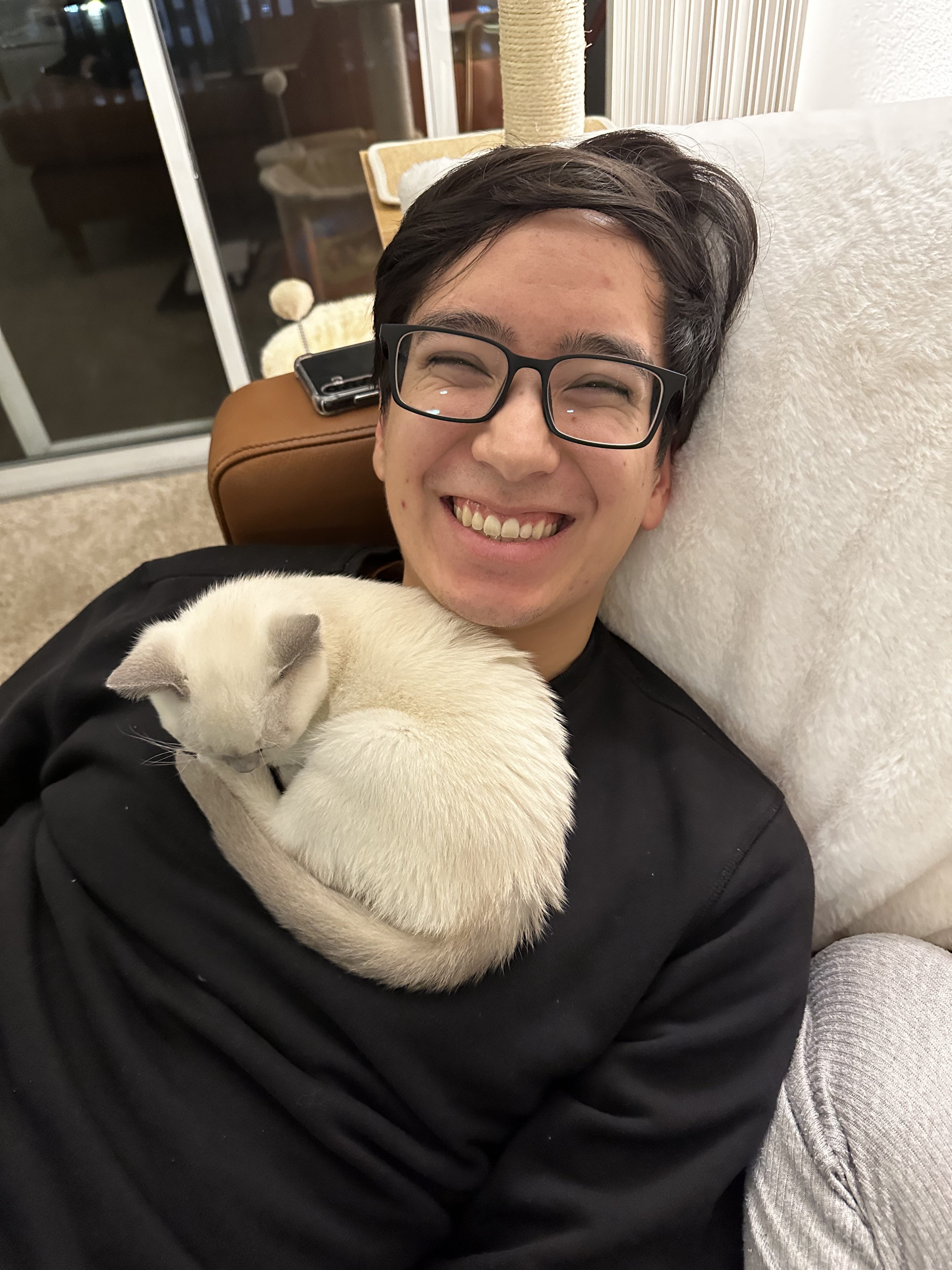
Spencer started immunotherapy drops six months before we got Mochi. While they aren't a complete solution for his allergies, they have made a huge difference.
Allergy Medication
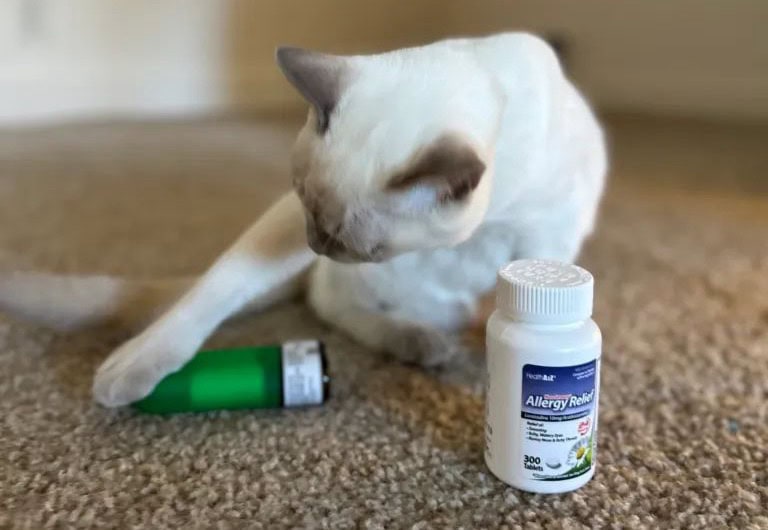
Currently, Spencer takes Flonase nasal spray and the generic version of Claritin. When he takes these, in addition to everything else we do, his allergy symptoms are either gone or very mild. However, our long-term goal is to wean him off of these medications.
Solution #2: Treat the Cat
There are also some ways to treat the cat. They might be less willing to participate than the human, but at least you outweigh them by quite a bit.
Purina Pro Plan LiveClear Cat Food
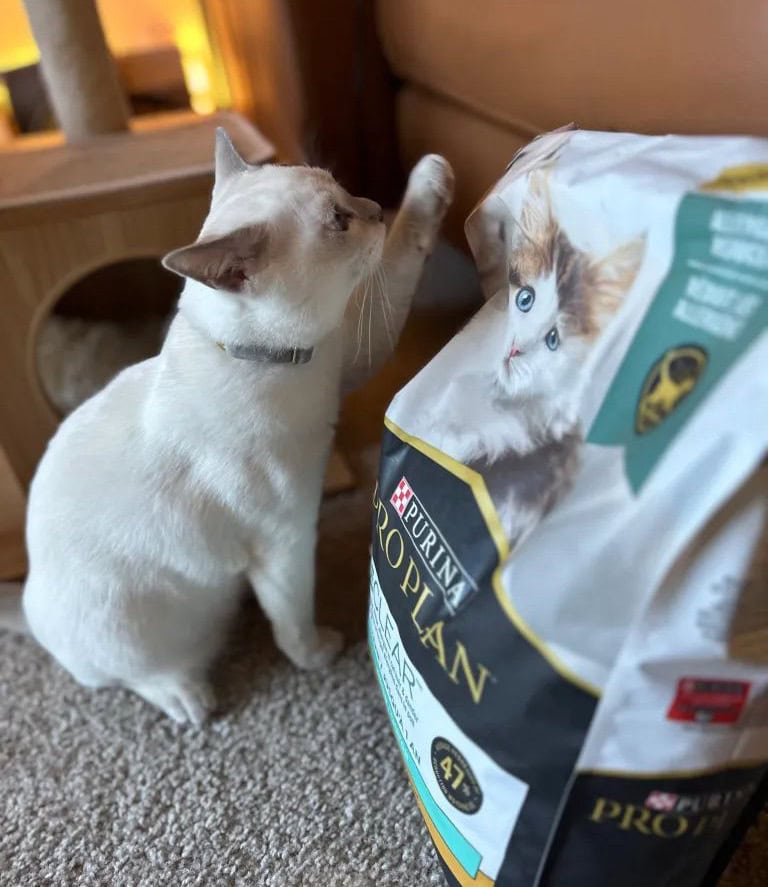
Purina Pro Plan LiveClear Cat Food is proven to reduce allergens in cats by 47%. It's a revolutionary cat allergy food that contains eggs with a protein that binds to the Fel d1 protein and neutralizes it. There is also a kitten version, and Mochi loves it.
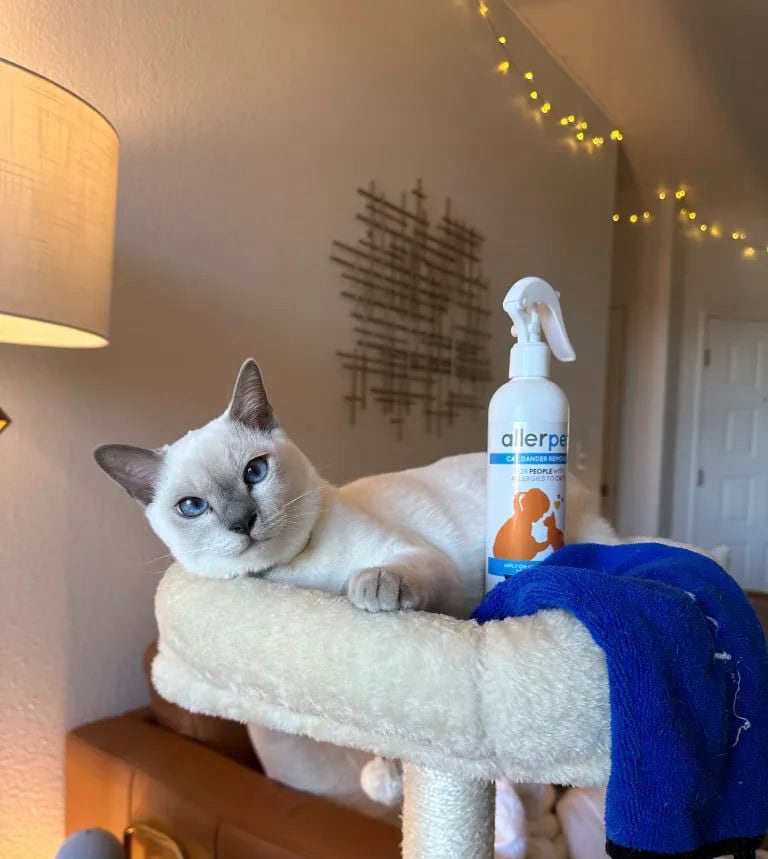
Allerpet Cat Dander Remover
I personally do not recommend bathing a cat, but Allerpet cat dander remover is a great alternative. We brush Mochi to remove extra fur and rub him down with the mitt and remover once or twice a week. He gets damp, which he isn't thrilled about, but he's much happier than if we tried to submerge him in water.
Cat Allergy Vaccine (Future Solution)
There is a cat allergy vaccine called HypoCat currently undergoing trials. This vaccine is given to the cat to eliminate the Fel d1 protein. The early results have been very promising, but it isn't ready yet. I reached out to the company a couple months ago and they said they anticipate it is several years from the market. So stay tuned!
Solution #3: Treat the Home
While it's a myth about cat allergies that people are allergic to cat hair itself, keeping cat dander/hair out of your home is a great way to minimize allergens.
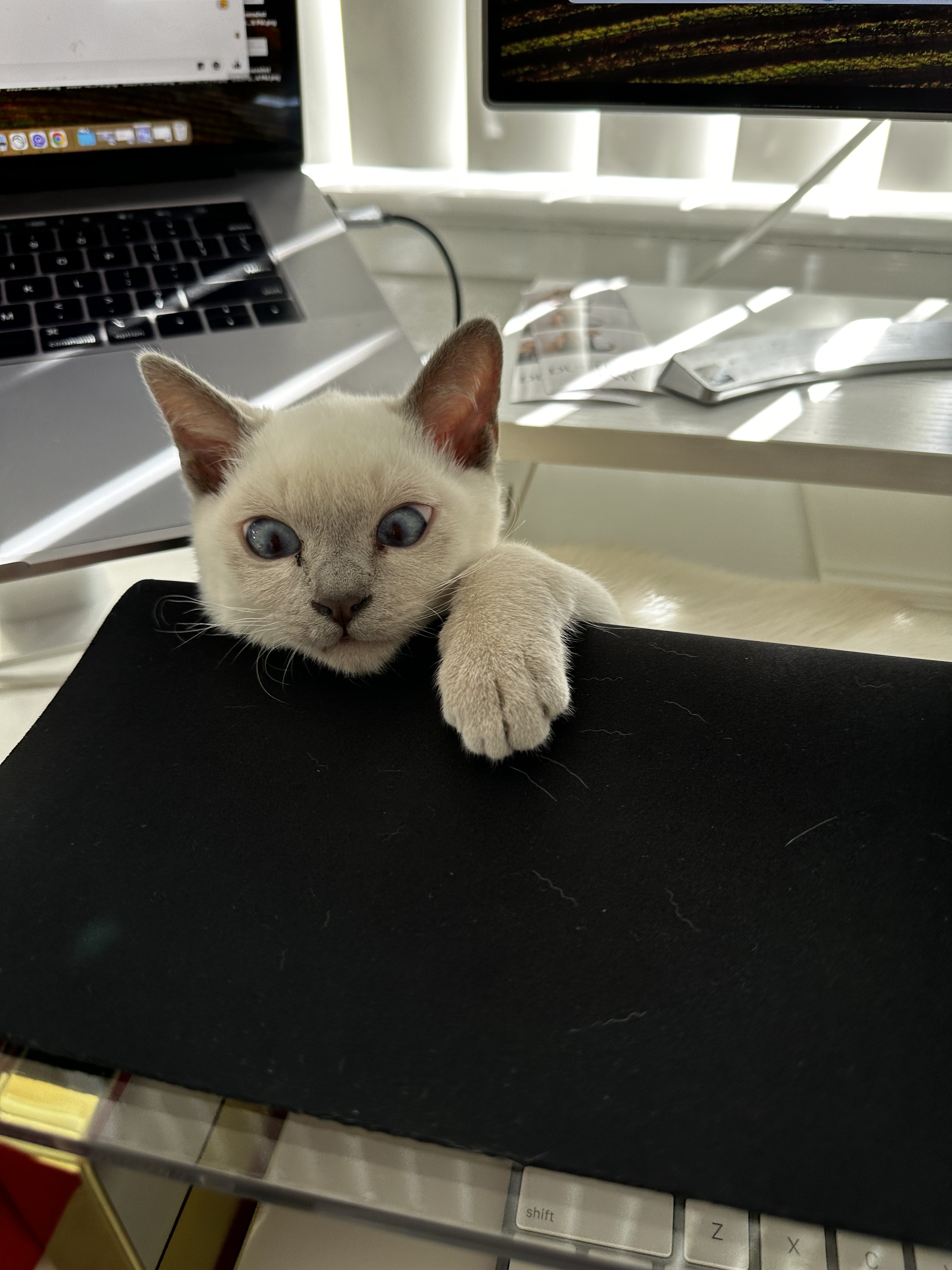
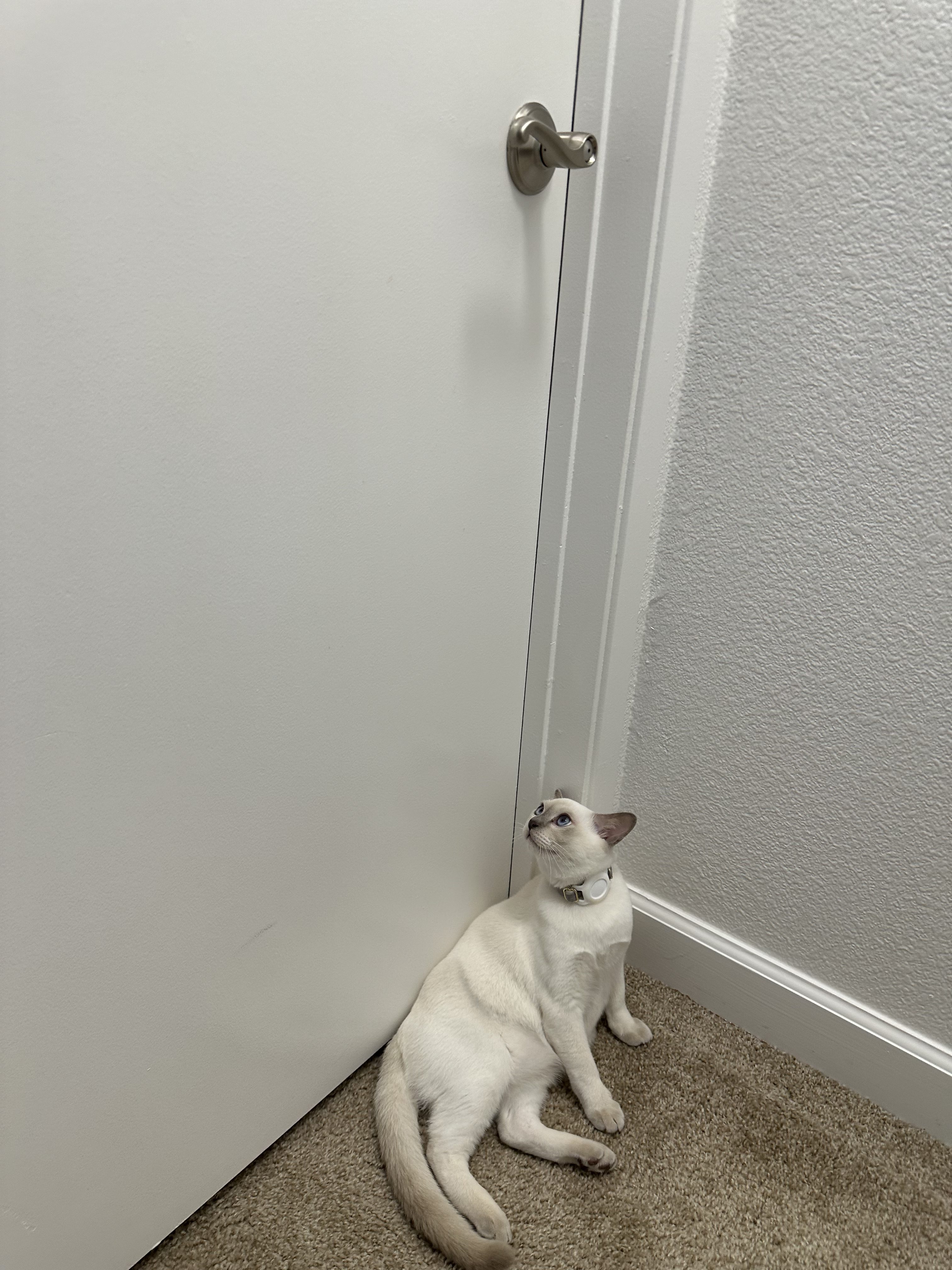
Cat-free Bedroom
We keep Mochi out of the bedroom to have an allergy-free space. Honestly, he would keep us awake all night because he's an adorable little terror so it works out.
Regular Cleaning
Hardwood floors make cat allergies so much easier, but unfortunately we have carpet. That said, it's still manageable but cleaning does help.
- We invested in a Roomba (10/10 recommend).
- We dust and vacuum at least once or twice a week.
- We also wash throw blankets and vacuum pillows every month or so.
Air Purifiers
We purchased an air purifier for every room in our house. Ideally, you should choose one with a HEPA filter to remove allergens from the air. While air purifiers are an investment, they're a good one — cat allergies or no, who doesn't want to be breathing cleaner air?
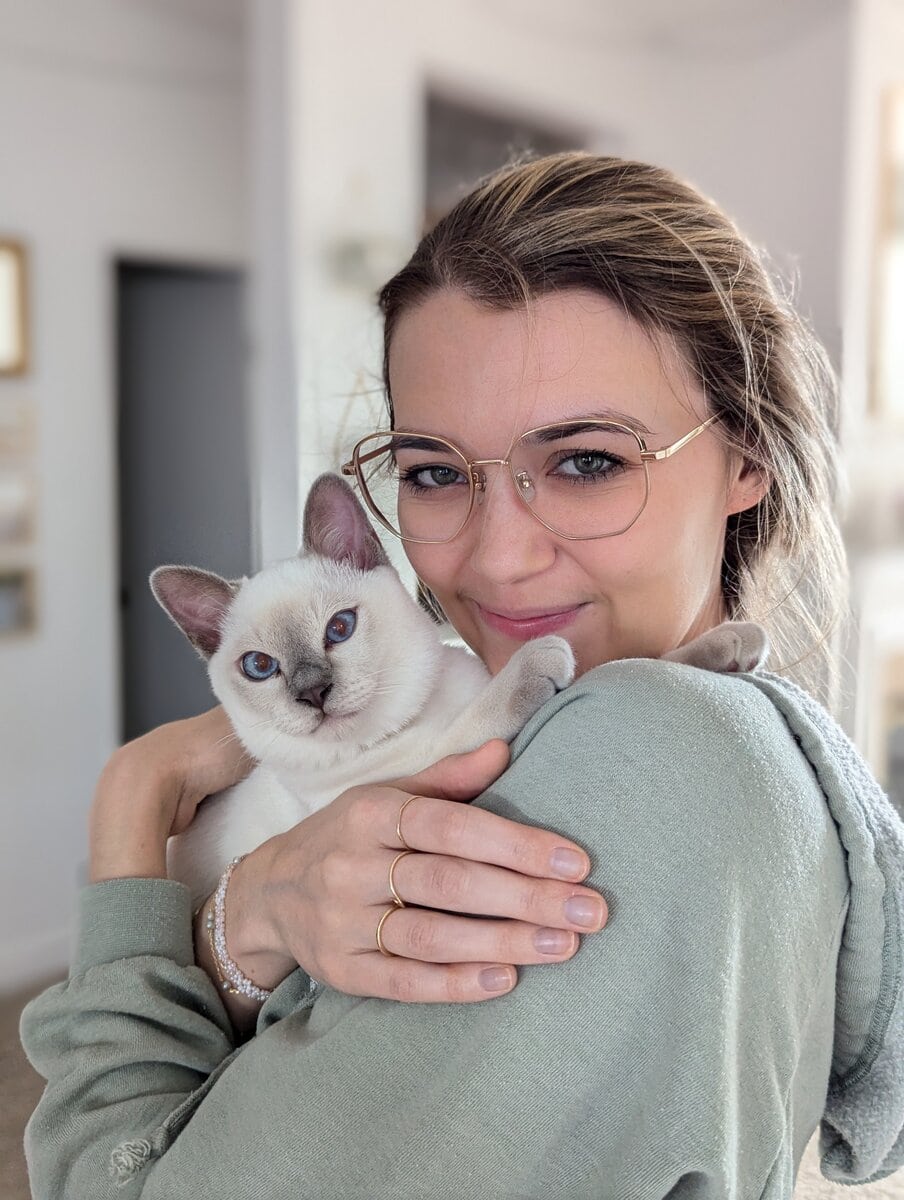
There you have it — some of the most common myths about cat allergies, as well as some solutions that have worked well for us. While we haven't completely cured Spencer's allergies, they've been much more manageable than we expected, and we're so happy with Mochi! If you have any questions, I would love to chat more!
